Understanding your protein requirements is essential for maintaining ideal health and performance. It's not just about how much you eat; it's about knowing what your body truly needs based on your lifestyle, age, and specific health concerns. With varying recommendations and sources of protein available, you might wonder what's best for you. Are you getting enough? Let's explore the factors influencing your protein intake and how to guarantee you're meeting your nutritional needs effectively.
Key Takeaways
- Protein is essential for muscle repair, tissue growth, and overall bodily functions, making it a critical part of a balanced diet.
- Recommended intake is 0.8 grams of protein per kilogram of body weight, varying based on activity level and health conditions.
- Distributing protein across meals helps sustain energy levels and aids in recovery after exercise.
- Protein sources include animal products, legumes, and plant-based options, with combinations necessary for complete amino acid profiles in vegetarian diets.
- Understanding myths about protein needs can help make informed dietary choices and ensure balanced nutrient intake.
The Role of Protein in the Body
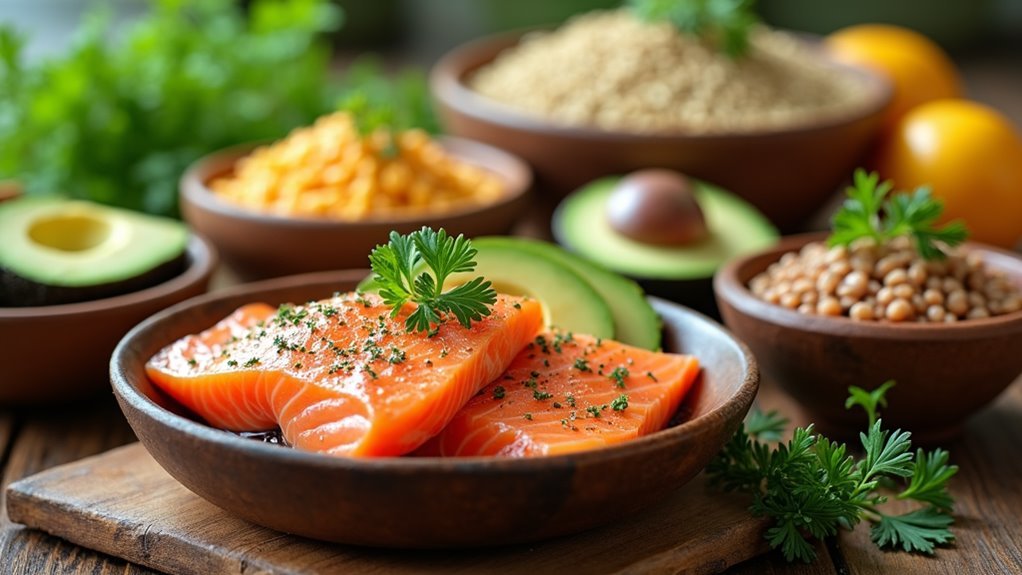
Protein plays an essential role in your body, acting as a building block for muscles, tissues, and organs.
It's critical for muscle repair after workouts and supports tissue growth and recovery.
Furthermore, protein enhances immune function, helping you fend off illnesses.
You'll find that it plays a key role in hormone production, which regulates various bodily functions.
Protein also aids in energy metabolism, ensuring your body efficiently converts food into fuel.
With its satiety effects, it can assist in weight management by keeping you feeling full longer.
In addition, protein contributes to enzyme activity, fundamental for digestion and metabolic processes, while promoting skin health and hair strength.
Prioritizing protein in your diet is essential for overall well-being and vitality.
How Much Protein Do You Really Need?
How much protein do you really need to support your health and fitness goals? Your protein intake can vary based on factors like activity level, age, and overall health.
Generally, aiming for 0.8 grams of protein per kilogram of body weight is a good starting point. However, consider these three key points for effective protein distribution throughout your day:
- Fuel Recovery: Proper protein intake aids muscle recovery after workouts, helping you feel stronger.
- Boost Metabolism: Protein can increase your metabolic rate, allowing you to burn calories more efficiently.
- Sustain Energy: Distributing protein evenly across meals keeps your energy levels stable, empowering your daily activities.
Factors Influencing Protein Requirements
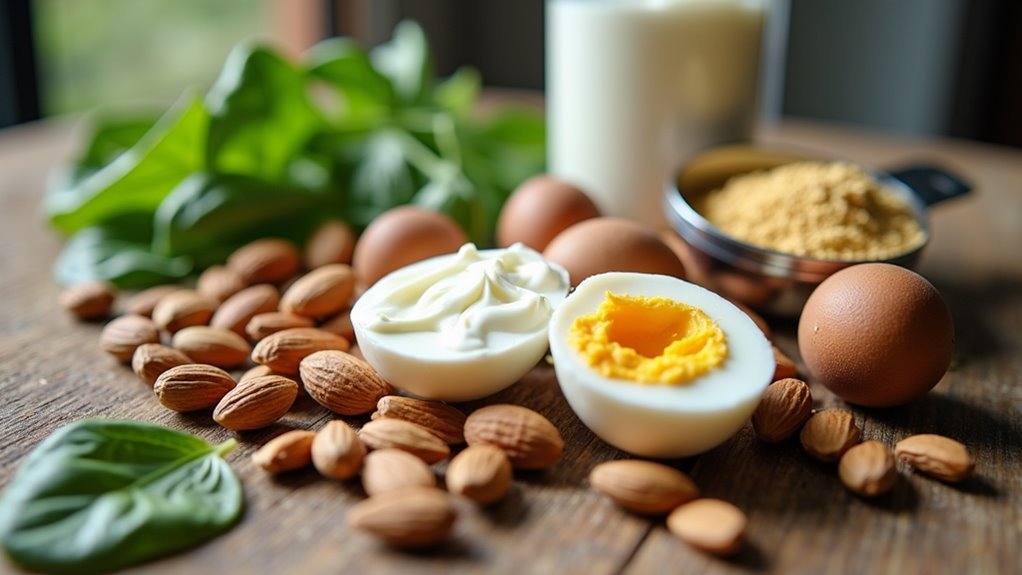
Several factors impact your protein requirements, making it important to tailor your intake to your specific situation.
Your activity level plays a vital role; if you're active or engage in strength training, you'll need more protein to support muscle mass and repair. Health conditions, like diabetes or kidney disease, can also dictate your needs.
Additionally, your metabolic rate and body composition greatly influence how much protein you should consume. Age factors and gender differences further complicate these requirements, as older adults and men typically need more.
Lifestyle choices, such as dietary preferences or restrictions, also matter. Finally, maintaining hormonal balance can affect protein utilization, so keep these factors in mind to optimize your nutritional intake.
Different Sources of Protein
When considering your protein intake, it's essential to recognize the variety of sources available to meet your needs. Exploring different protein sources not only enhances your meals but also supports your health goals.
Here are three notable options:
- Animal Sources: Rich in essential amino acids, these include meat, dairy, and eggs.
- Plant Sources: Legumes, nuts, and seeds provide excellent nutrition and are important for protein sustainability.
- Exotic Proteins: Quinoa, tempeh, and spirulina offer unique flavors and protein fortification.
Combining these sources can eliminate protein misconceptions and guarantee protein variety in your diet.
With increased protein accessibility, you can enjoy delicious meals while meeting your nutritional requirements. Embrace the freedom of choice in your protein journey!
Animal vs. Plant-Based Protein: What You Should Know
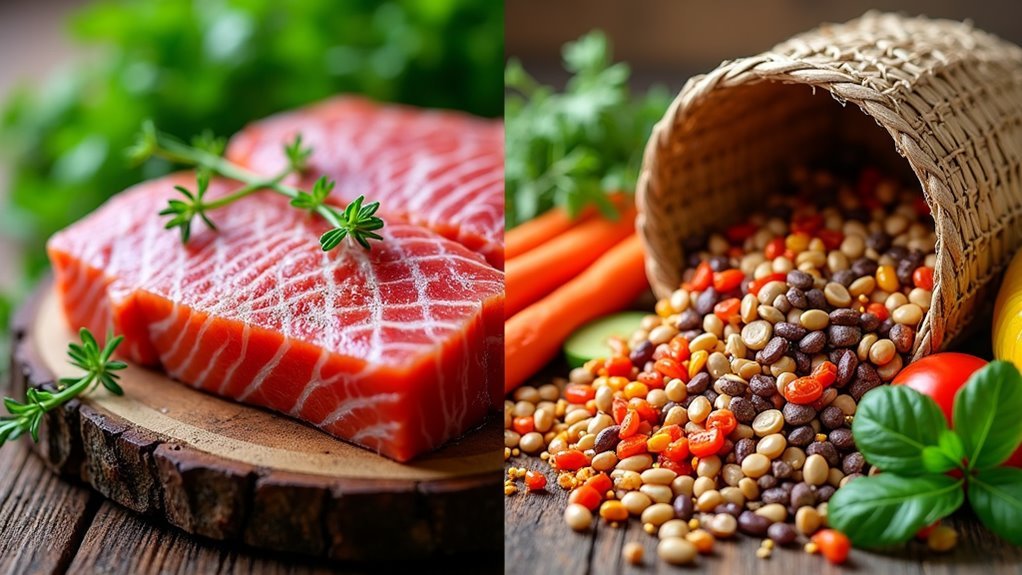
When considering your protein sources, it's crucial to understand the differences between animal and plant-based proteins.
Each type varies in protein quality, digestibility, and nutritional profiles, which can greatly impact your overall health.
Protein Quality Comparison
Understanding the differences in protein quality between animal and plant-based sources is essential for making informed dietary choices.
Animal protein sources, like meat and dairy, typically contain all essential amino acids, promoting effective protein synthesis. On the other hand, many plant-based proteins may lack one or more essential amino acids but offer unique benefits, including fiber and antioxidants.
Here are three key points to evaluate:
- Complete vs. Incomplete: Animal proteins are complete, while many plants are incomplete.
- Nutrient Density: Animal products often provide higher levels of certain nutrients, such as B12 and iron.
- Environmental Impact: Plant-based proteins generally have a lower environmental footprint, aligning with a sustainable lifestyle.
Digestibility and Absorption
Although both animal and plant-based proteins provide essential nutrients, their digestibility and absorption rates can differ markedly.
Animal proteins typically boast higher protein bioavailability, meaning your body can use them more efficiently. They often have a complete amino acid profile, enhancing their digestive efficiency.
In contrast, while many plant-based proteins are nutrient-rich, they may contain antinutrients that can hinder absorption. However, combining various plant sources can improve their overall amino acid profile and bioavailability.
If you're leaning towards a plant-based diet, consider incorporating a variety of sources like legumes, nuts, and whole grains to optimize your protein intake.
Ultimately, understanding these differences can help you make informed choices about your protein sources.
Nutritional Profiles Differentiation
The nutritional profiles of animal and plant-based proteins showcase significant differences that can impact your dietary choices. Understanding these variations helps you align your food choices with your health goals.
- Complete vs. Incomplete Proteins: Animal proteins generally contain all essential amino acids, while many plant proteins lack one or more.
- Micronutrient Content: Animal sources provide crucial nutrients like B12 and heme iron, often less abundant in plants.
- Sustainability Impact: Plant-based proteins typically require fewer resources, supporting environmental freedom.
Timing Your Protein Intake for Maximum Benefits
To maximize your protein intake, timing is essential.
Consuming protein before your workout can enhance muscle performance, while post-workout protein helps with recovery and muscle growth.
Understanding when to fuel your body with protein can lead to better results in your fitness journey.
Pre-Workout Protein Benefits
Timing your protein intake can greatly enhance your workout performance and recovery.
Consuming protein before your workout, especially in the form of pre workout smoothies, can provide the energy and amino acids your muscles crave.
Here are three key benefits of pre-workout protein:
- Increased Strength: You'll find you can lift heavier and push harder, boosting your overall performance.
- Enhanced Endurance: A protein-rich smoothie can help sustain your energy, making those longer workouts feel less intimidating.
- Reduced Muscle Fatigue: With proper protein timing, you'll recover faster, allowing you to hit the gym more frequently with less soreness.
Post-Workout Recovery Timing
While your muscles are primed for recovery after a workout, consuming protein within a specific timeframe can considerably enhance the repair process. This is known as the post workout window, which typically lasts about 30 to 60 minutes after your training session.
During this time, your muscles are more receptive to nutrients, making it an ideal opportunity to implement effective recovery strategies. Aim for a protein source that's easily digestible, such as whey or plant-based protein shakes.
Studies suggest that consuming 20-30 grams of protein during this window can maximize muscle synthesis and recovery. By timing your protein intake, you can support your body's natural recovery processes and enhance your overall performance, giving you the freedom to achieve your fitness goals.
Protein Supplements: Are They Necessary?
Have you ever wondered if protein supplements are truly necessary for your diet? While they can provide health benefits, they aren't essential for everyone.
You might find yourself considering supplements if:
- You struggle to meet your protein intake through food sources.
- You have specific dietary concerns, like being vegan or vegetarian.
- You need quick muscle recovery after workouts.
Different supplement types vary in quality and absorption rates.
If you can easily obtain your protein from whole food sources, like lean meats, legumes, and dairy, you may not need supplements.
However, if your lifestyle demands convenience or you have unique dietary needs, protein supplements can be a helpful addition to support your goals and optimize nutrient timing.
Common Myths About Protein Consumption
Many people hold misconceptions about protein consumption that can lead to confusion about dietary needs. One common protein myth is that you need excessive amounts to build muscle. In reality, most individuals need about 0.8 grams of protein per kilogram of body weight.
Another misconception is that all protein sources are equal; however, animal proteins often provide all essential amino acids, while many plant sources may lack some.
Not all protein sources are created equal; animal proteins typically offer all essential amino acids, unlike some plant sources.
Additionally, some believe that high-protein diets are harmful, but research shows that they can be safe for most people when balanced with other nutrients.
Understanding these protein misconceptions helps you make informed choices that align with your health goals and lifestyle, giving you the freedom to enjoy a varied diet without unnecessary restrictions.
Protein and Special Dietary Needs
When it comes to protein, your needs can vary based on specific factors like activity level, dietary choices, and age.
Athletes often require more protein to support muscle recovery, while vegans and vegetarians must guarantee they're getting enough complete proteins from plant sources.
Additionally, as you age, your protein intake might need to increase to help maintain muscle mass and overall health.
Athletes' Protein Requirements
As you push your physical limits, understanding your protein needs becomes essential for optimizing performance and recovery.
Athletes typically require more protein than the average person, focusing on both protein timing and quality of protein sources.
Here are three key considerations:
- Timing Matters: Consuming protein shortly after your workouts helps repair muscles.
- Diverse Sources: Incorporate a variety of protein sources—lean meats, dairy, and legumes—to meet your needs.
- Daily Intake: Aim for around 1.2 to 2.0 grams of protein per kilogram of body weight, depending on your activity level.
Vegan and Vegetarian Needs
While a plant-based diet can meet your protein needs, understanding how to effectively source and combine proteins is crucial for vegans and vegetarians.
It's important to incorporate a variety of protein-rich recipes that utilize legumes, nuts, seeds, and whole grains. These plant-based alternatives not only provide essential amino acids but also offer other important nutrients.
For example, combining rice and beans creates a complete protein profile, ensuring you get all the essential amino acids your body needs.
Don't forget to explore other options like quinoa or tofu to diversify your meals.
Age-Related Protein Intake
Understanding how your protein needs change with age is essential for maintaining health and energy.
As you reach different age milestones, your body's protein metabolism shifts, requiring adjustments in your intake to support muscle mass, recovery, and overall well-being.
Here are three key considerations:
- Young Adults (18-30): Prioritize protein for muscle development and recovery.
- Middle Age (31-60): Increase protein to counteract natural muscle loss and support metabolic health.
- Seniors (60+): Focus on higher protein intake to maintain strength, prevent frailty, and support recovery from illness.
Tips for Incorporating Protein Into Your Diet
Incorporating protein into your diet is essential for maintaining muscle mass, supporting metabolic functions, and promoting overall health.
Incorporating protein into your diet is vital for muscle maintenance, metabolic support, and overall health.
Start by including protein-rich foods in your meal planning, like lean meats, fish, eggs, dairy, legumes, and nuts. Consider preparing meals in advance to make it easier to meet your protein goals throughout the week.
For quick snack options, try Greek yogurt, cottage cheese, or protein bars. You can also blend protein powder into smoothies for a convenient boost.
Don't forget about plant-based sources, such as quinoa and tofu, which offer excellent protein content.
Frequently Asked Questions
Can Protein Intake Affect My Hydration Levels?
Yes, your protein intake can affect hydration levels. Higher protein absorption requires more water for metabolism, potentially impacting your hydration balance. Make certain you drink enough fluids to maintain ideal hydration alongside your protein consumption.
How Does Cooking Affect Protein Quality in Foods?
When you cook food, it's like a dance; different cooking methods can cause protein denaturation, altering its structure and potentially affecting its nutritional quality. Steaming preserves more protein than boiling, for instance, enhancing your meals.
Is There a Risk of Excessive Protein Consumption?
Yes, excessive protein can strain your kidneys and lead to muscle loss over time. Balancing your intake is essential for maintaining kidney health while ensuring your body gets the nutrients it needs for ideal function.
What Role Do Amino Acids Play in Protein Needs?
Amino acids are vital for your protein needs. Essential amino acids support protein synthesis, helping your body repair tissues and build muscle. Ensuring you get enough of these aids overall health and ideal performance.
How Does Age Influence Protein Requirements?
Age considerably influences protein requirements. During childhood development, your needs increase to support growth. In contrast, senior nutrition often requires higher protein intake to preserve muscle mass and overall health as metabolism slows down.
Conclusion
Incorporating the right amount of protein into your diet is essential for maintaining health and vitality, yet it's easy to overlook. Balancing animal and plant-based sources guarantees you get all essential amino acids while supporting a diverse diet. Remember, while athletes might need more protein, most people can thrive on the standard recommendation. By understanding your unique needs, you empower yourself to make informed choices, transforming protein from a mere nutrient into a cornerstone of your wellness journey.