When it comes to achieving your fitness goals, understanding the balance between fat loss and muscle gain is essential. The Fat Loss Vs. Muscle Gain Calculator can provide you with tailored insights based on your unique body metrics. By analyzing your weight, height, age, and activity level, this tool helps you make informed decisions about your nutrition and exercise plans. But what are the key factors to take into account for ideal results?
Key Takeaways
- The calculator evaluates your weight, height, age, and activity level to provide tailored insights for fat loss or muscle gain.
- It analyzes your current body composition to determine optimal caloric balance for your specific fitness goals.
- Key factors such as age, gender, and activity level influence metabolism, affecting the calculator's recommendations.
- Nutritional strategies, like caloric cycling and mindful portion sizes, can enhance results based on the calculator's guidance.
- Regular tracking of progress allows for adjustments in goals and strategies to maintain motivation and effectiveness.
Understanding the Basics of Body Composition
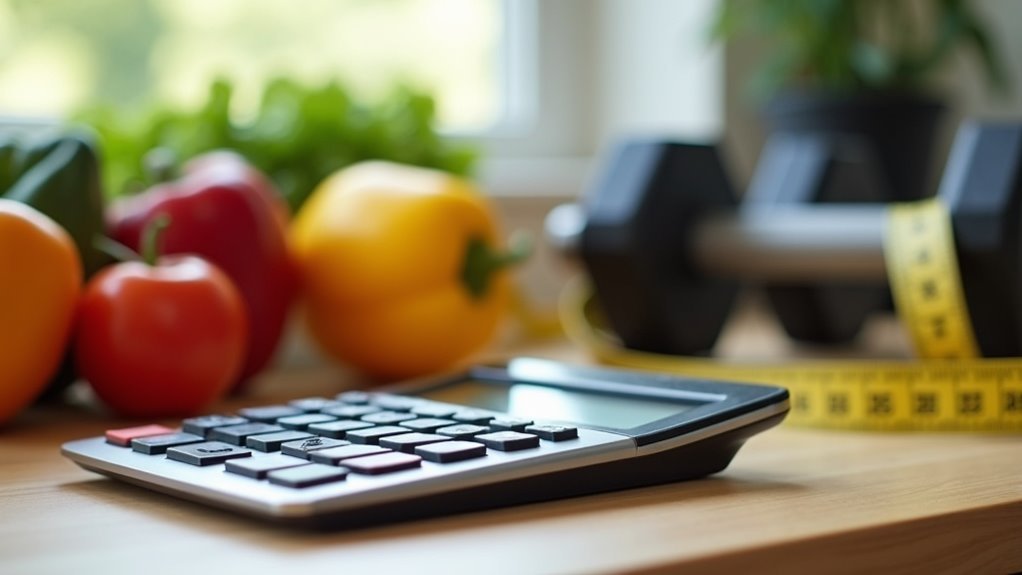
When you understand body composition, you can make more informed decisions about your fitness goals.
Body composition refers to the proportion of fat mass to lean mass in your body. Knowing your body composition helps you evaluate your metabolic rate, which is vital for determining how many calories you burn at rest.
Understanding body composition is essential for assessing your metabolic rate and the calories your body burns at rest.
This knowledge empowers you to tailor your nutrition and exercise plans to achieve your desired outcomes, whether that's fat loss or muscle gain.
It's important to remember that improving body composition isn't just about weight; it involves increasing muscle while decreasing fat.
How the Fat Loss Vs. Muscle Gain Calculator Works
Understanding your body composition sets the stage for effectively using the Fat Loss vs. Muscle Gain Calculator. This tool relies on calculator mechanics that evaluate your current body metrics to guide your fitness journey.
By inputting your weight, height, age, and activity level, you receive tailored insights on how to achieve your goals.
- It analyzes your fat and muscle ratios.
- It provides recommendations based on your specific needs.
- It helps you visualize your progress over time.
Using this calculator empowers you to make informed decisions while promoting a balanced approach to fitness.
With a clear understanding of your body composition, you can navigate the path towards fat loss or muscle gain with confidence and freedom.
Key Factors to Consider When Using the Calculator

Several key factors can greatly influence the accuracy and effectiveness of the Fat Loss vs. Muscle Gain Calculator.
First, your current caloric balance is essential; it determines whether you're in a deficit or surplus. If you're aiming for fat loss, you'll need to maintain a caloric deficit, while muscle gain requires a surplus.
Next, consider your individual fitness goals. Are you focused on shedding pounds or building muscle? Tailoring your approach based on these objectives can yield better results.
Finally, don't overlook factors like age, gender, and activity level, as they can affect your metabolism and overall energy needs.
Tips for Optimizing Your Caloric Intake
To effectively optimize your caloric intake, focus on creating a balanced approach that aligns with your fitness goals. One effective strategy is caloric cycling, where you adjust your caloric intake based on your activity levels throughout the week. This helps maintain energy while promoting fat loss or muscle gain.
Here are some tips to reflect on:
- Prioritize nutrient timing: Fuel yourself with the right nutrients around workouts to enhance performance and recovery.
- Stay mindful of portion sizes: Understanding serving sizes can prevent overeating while ensuring you get enough fuel.
- Incorporate whole foods: Opt for nutrient-dense foods that support your body's needs without excessive calories.
Tracking Your Progress and Adjusting Your Goals

As you optimize your caloric intake, keeping track of your progress is essential for achieving your fat loss or muscle gain goals. Regular progress measurement, including tracking weight, body measurements, and fitness levels, helps you understand what's working.
Use this data to make informed decisions about your approach. If you notice stagnation or unexpected results, don't hesitate to make goal adjustments. This might mean altering your caloric intake, tweaking your workout routine, or even reassessing your timeline.
Flexibility in your plan is key; it allows you to adapt to your body's changes and maintain motivation. Remember, progress isn't always linear, and staying attuned to your journey can empower you to reach your desired outcomes with confidence.
Frequently Asked Questions
Can I Lose Fat and Gain Muscle Simultaneously?
Yes, you can lose fat and gain muscle simultaneously by focusing on muscle preservation while engaging in fat burning activities. A balanced diet, strength training, and proper recovery help you achieve this desired dual outcome effectively.
What Role Do Hormones Play in Fat Loss and Muscle Gain?
Did you know that ideal hormonal balance can boost your fat loss efforts by up to 30%? Improving insulin sensitivity enhances nutrient absorption, helping you effectively lose fat while gaining muscle. Prioritize balance for best results.
How Accurate Are Online Calculators for Body Composition?
Online calculators for body composition can vary in reliability. While they provide a quick estimate, their accuracy often depends on the data you input. Always consider them as starting points, not definitive measurements of your progress.
Does Age Affect Fat Loss and Muscle Gain Results?
Just like a fine wine, your body changes with age. Age-related changes can slow metabolism shifts, impacting fat loss and muscle gain. Staying active and mindful of these changes can help you maintain your goals effectively.
Can Supplements Enhance Fat Loss or Muscle Gain?
Supplements can enhance your fat loss or muscle gain, depending on types like protein powders or fat burners. Research studies show they may support your efforts, but they're most effective when combined with a balanced diet and exercise.
Conclusion
You might think using a calculator can't capture the nuances of your body, but the Fat Loss Vs. Muscle Gain Calculator offers a personalized approach based on your unique metrics. By combining science with your specific goals, it empowers you to make informed decisions about your nutrition and exercise. Remember, it's not just about numbers—it's about creating a sustainable path to success. So, embrace this tool, track your progress, and watch yourself transform over time!

